


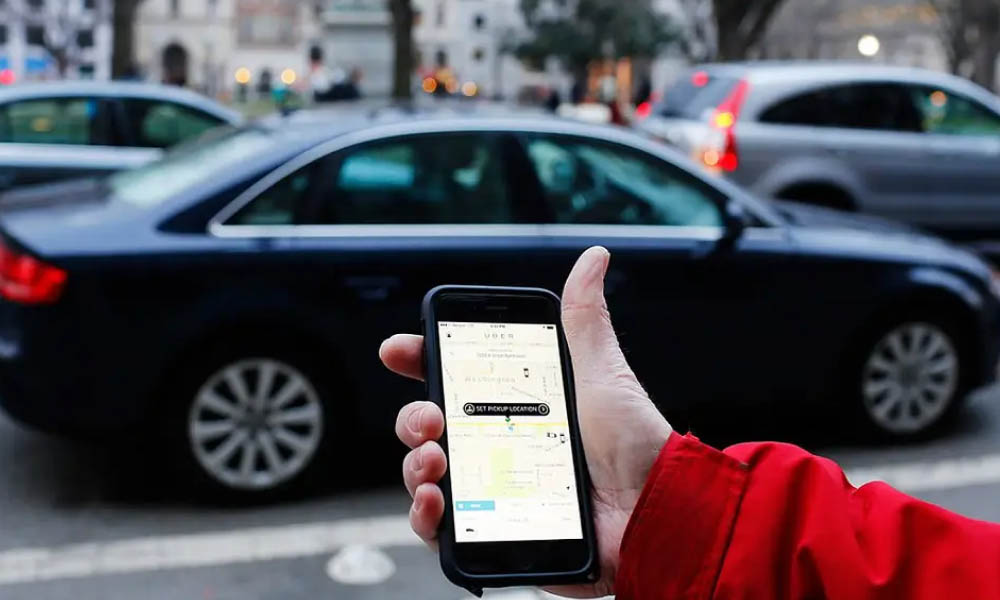
As cities grow and traffic congestion worsens, the need for efficient, sustainable urban mobility solutions becomes critical. Two emerging trends that are reshaping how people navigate urban areas are micromobility and car-sharing services. These solutions address the pressing issues of traffic congestion, pollution, and limited parking while providing flexible, eco-friendly transportation options. This article explores the current trends in micromobility and car-sharing services, their impact on urban mobility, and what the future may hold for city transportation.
Understanding Micromobility: A New Era of Transportation
Micromobility refers to lightweight, single-person vehicles such as electric scooters, e-bikes, and pedal-assist bicycles that provide quick and convenient transport over short distances. The micromobility industry has grown rapidly in recent years, especially in densely populated urban centers.
The Rise of Electric Scooters and E-Bikes
Electric scooters and e-bikes have become increasingly popular for short trips within city limits. They offer a practical alternative to cars for commuting, reducing the need for parking and lessening traffic congestion. E-scooters and e-bikes are ideal for distances between one to five miles, helping bridge the “last mile” gap between public transit stations and final destinations.
Environmental Benefits: Micromobility options like e-scooters and e-bikes produce zero emissions, reducing air pollution in urban areas. Cities around the world are adopting these services to promote cleaner air and meet sustainability goals.
Cost-Effectiveness: These options are affordable compared to taxis or car ownership, making them accessible to a wide range of users, especially younger populations who are often early adopters of micromobility solutions.
Challenges of Micromobility in Urban Areas
While micromobility offers numerous benefits, it also presents challenges. Cities have had to adapt their infrastructure to safely accommodate these vehicles, creating dedicated lanes and parking areas to reduce accidents and sidewalk clutter. Additionally, issues such as vandalism, theft, and battery disposal have created logistical challenges for micromobility operators. Despite these obstacles, micromobility continues to gain traction as cities work to make their infrastructure more accommodating.
The Growth of Car-Sharing Services
Car-sharing services allow individuals to rent vehicles for short periods, often by the hour or day, providing access to a car without the financial and logistical burdens of ownership. Companies like Zipcar, Car2Go, and Turo have made it possible to rent a car with just a smartphone app, giving urban dwellers the freedom to drive without the need for parking or maintenance costs.
Benefits of Car Sharing for Urban Residents
Car-sharing offers several advantages, particularly in dense urban environments where parking is scarce and public transit is readily available.
Reduced Ownership Costs: Car-sharing provides access to a vehicle when needed, making it an attractive option for those who only occasionally need a car. This model eliminates costs associated with insurance, maintenance, and parking fees, which can be burdensome for city residents.
Environmental Impact: By encouraging fewer people to own personal vehicles, car-sharing reduces the number of cars on the road, ultimately lowering greenhouse gas emissions. Many car-sharing fleets include hybrid or electric vehicles, further contributing to environmental sustainability.
Convenience and Flexibility: Car-sharing offers flexibility for users who may need a vehicle for specific errands or trips outside the city. With the convenience of mobile apps, users can locate, book, and unlock cars instantly, making it easy to pick up and drop off vehicles.
The Intersection of Micromobility and Car Sharing in Urban Mobility
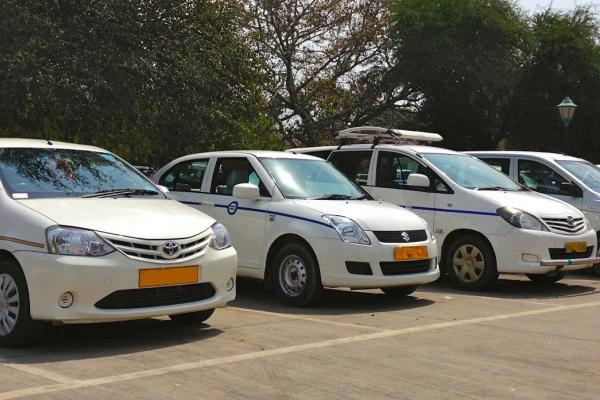
Micromobility and car-sharing services often complement each other within the urban mobility ecosystem. For short, quick trips, micromobility solutions are ideal, while car sharing is useful for longer journeys that require more cargo space or involve multiple passengers. Together, they provide comprehensive options that help reduce the need for private car ownership.
Impact on Urban Planning and Infrastructure
These services are influencing urban planning as cities consider how to redesign infrastructure to support shared and sustainable transportation. From building more bike lanes and scooter parking zones to integrating car-sharing drop-off points near public transit stations, cities are investing in infrastructure that encourages shared mobility. This trend is likely to continue as city planners prioritize reducing traffic congestion and emissions.
The Future of Urban Mobility: Key Trends to Watch
As micromobility and car-sharing continue to grow, new technologies and models are emerging, shaping the future of urban mobility:
- Integration with Public Transit: In the future, micromobility and car-sharing are expected to become more integrated with public transit systems, creating seamless, multimodal transportation networks that allow users to switch easily between trains, buses, e-scooters, and shared cars.
- Expansion of Electric Fleets: With an emphasis on sustainability, many car-sharing providers are investing in electric vehicles (EVs) for their fleets. Likewise, micromobility operators are working on creating eco-friendly options with improved battery technology, which could lead to longer-lasting, sustainable micromobility solutions.
- Increased Use of Autonomous Vehicles: Autonomous vehicles are expected to play a significant role in both car-sharing and micromobility services. Self-driving cars and automated e-scooters could create even more flexible and accessible options for urban mobility, eliminating the need for docking stations or designated parking areas.
- Data-Driven Infrastructure Planning: As cities collect data from micromobility and car-sharing services, they will be able to make informed decisions about infrastructure investments and traffic management. By analyzing usage patterns, cities can design safer and more efficient urban environments.
Conclusion
The future of urban mobility is being redefined by innovative solutions like micromobility and car-sharing services. These options offer cost-effective, environmentally friendly alternatives to personal car ownership, helping to address some of the most pressing issues in urban transportation. As these services evolve and integrate with public transit and infrastructure, they are set to play an even larger role in creating sustainable, efficient cities. For city dwellers, these trends bring new freedom and flexibility to move around, while for cities, they represent a step towards greener, less congested urban spaces.
