


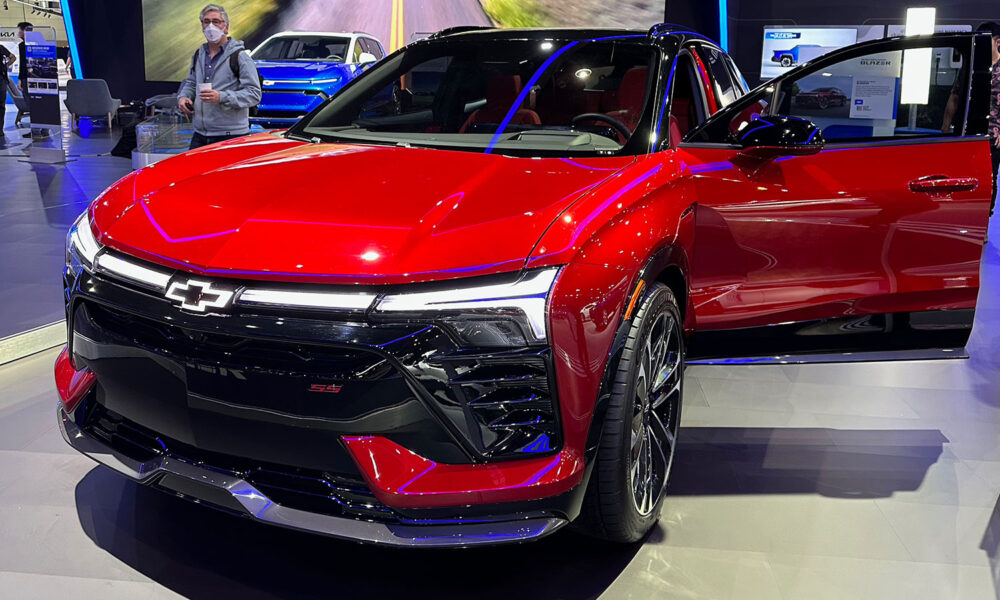
Car leasing is an appealing alternative for many people who want a new car without the long-term commitment of ownership. In recent years, leasing has gained popularity due to its flexibility, lower monthly payments, and access to the latest car models. However, leasing isn’t the same as buying, and it’s essential to understand the key differences, costs, and terms before you sign a lease. This guide provides an overview of car leasing for beginners, helping you make an informed decision.
What is Car Leasing?
Car leasing is essentially a long-term rental agreement. When you lease a car, you pay to use it for a specified period, typically 24 to 36 months. During this period, you make monthly payments based on the car’s expected depreciation and fees rather than its full purchase price. At the end of the lease term, you return the car or have the option to buy it at its residual value.
Benefits of Leasing a Car
Lower Monthly Payments
One of the main reasons people choose to lease is that it generally offers lower monthly payments compared to financing a purchase. Since you’re only paying for the car’s depreciation rather than its full value, monthly payments are more manageable for many budgets.
Access to Newer Models
Leasing allows you to drive a new car every few years, making it easy to stay up-to-date with the latest technology, safety features, and fuel-efficient engines. This appeals to those who value innovation and want the reliability that comes with a newer vehicle.
Reduced Maintenance Costs
Most lease terms fall within the duration of the car’s manufacturer warranty, which covers major repairs. This reduces the risk of expensive maintenance costs and provides peace of mind. Additionally, since leased cars are often new, they require fewer repairs than older vehicles.
Drawbacks of Car Leasing
Mileage Limits
Most car leases come with mileage limits, usually around 10,000 to 15,000 miles per year. Exceeding this limit can result in additional fees, typically charged per mile. If you drive frequently or have a long commute, leasing may not be the most cost-effective option.

No Ownership Equity
When you lease a car, you don’t build equity as you would with a financed purchase. At the end of the lease, you return the car, and your payments don’t contribute to any ownership. If you want to own a car long-term, buying might be a better choice.
Potential Wear-and-Tear Charges
Leasing companies often charge for excessive wear and tear on the vehicle when you return it. If you tend to be hard on your car or have small children or pets, consider the potential costs of these charges.
Key Terms to Understand in Car Leasing
Capitalized Cost
The capitalized cost (cap cost) is essentially the car’s selling price in a lease agreement. This figure is negotiable, and a lower cap cost means lower monthly payments.
Residual Value
The residual value is the estimated worth of the car at the end of the lease term. The residual value impacts your monthly payments and your purchase price if you choose to buy the car at the lease’s end.
Money Factor
The money factor is the interest rate on your lease. A lower money factor means you’ll pay less in interest over the lease term. When comparing leases, look for a lower money factor to keep costs down.
Steps to Leasing a Car
Determine Your Budget
Before you start shopping, determine what you’re willing to spend each month on a car lease, including insurance and potential fees.
Research Lease Offers and Compare
Check multiple dealerships for lease offers on the car you’re interested in. Pay attention to the capitalized cost, money factor, and residual value to find the best deal.
Negotiate the Lease Terms
Just like with buying a car, you can negotiate the lease terms, such as the capitalized cost and mileage allowance. Some dealers may be willing to work with you to customize the lease to fit your needs.
Review and Sign the Lease Agreement
Before signing, thoroughly review the lease agreement to understand mileage limits, potential fees, and any other conditions. Make sure you’re comfortable with the terms before committing.
Leasing vs. Buying: Which is Right for You?
Choosing between leasing and buying depends on your financial situation, driving habits, and lifestyle preferences.
- Leasing is ideal if you prefer driving new cars every few years, need lower monthly payments, and don’t drive long distances.
- Buying is a better choice if you drive frequently, want to build equity, or prefer to keep your car long-term.
Returning or Purchasing the Car at the End of the Lease
When your lease ends, you’ll have a few options:
- Return the Car: You can return the car to the dealership and lease a new model.
- Purchase the Car: If you love the car, you can buy it at its residual value. This is a good option if the car is in good condition and you’ve grown attached to it.
- Extend the Lease: Some dealerships allow you to extend your lease if you need more time before making a final decision.
Conclusion
Leasing a car offers flexibility, access to newer models, and potential cost savings, making it an appealing option for many drivers. However, understanding the nuances of leasing—such as mileage limits, wear-and-tear charges, and residual value—is essential to avoid surprises. By thoroughly evaluating your driving habits, budget, and preferences, you can determine if leasing is the right choice for you. Whether you decide to lease or buy, making an informed decision ensures you get the most value from your investment.
