


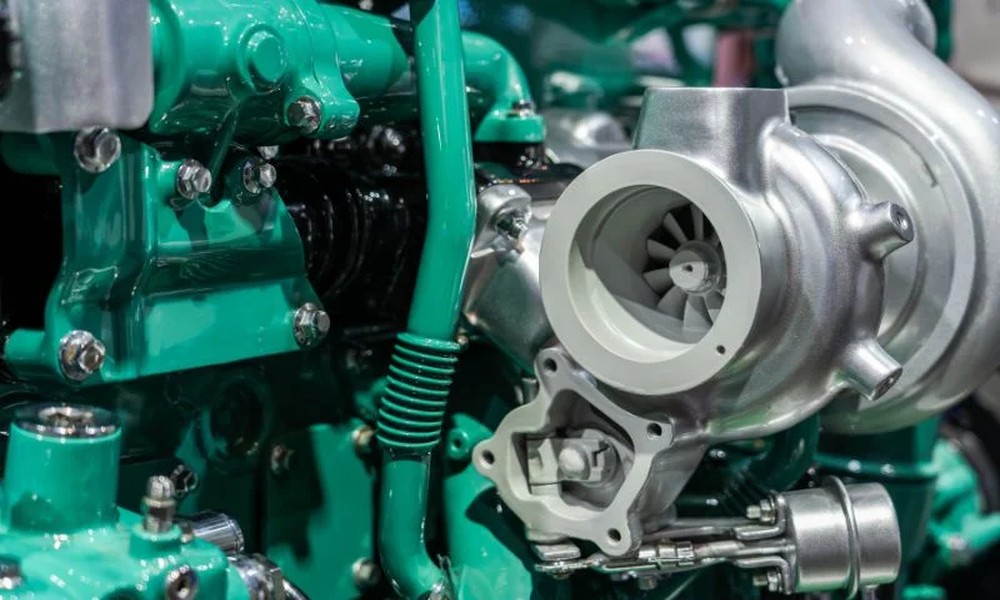
For fleet managers and owner-operators, the Cummins ISX engine is a workhorse known for its durability and torque. However, when a turbocharger fails, the result is more than just a mechanical nuisance; it is a costly operational shutdown. While many technicians point to “wear and tear” or “high mileage” as the culprit, these are symptoms, not causes.
The reality is that frequent turbo failure in the ISX platform is often traced back to a hidden systemic issue: the degradation of oil quality and the failure of the lubrication delivery system. When a turbocharger spins at speeds exceeding 100,000 RPM, the margin for error in lubrication is nonexistent.
The Role of Oil Contamination and Lubrication
The turbocharger relies on a thin film of oil to keep the shaft floating, preventing metal-on-metal contact between the bearing and the housing. The “hidden cause” of failure is rarely the turbo itself, but rather the quality of the fluid feeding it.
Particulate Accumulation
Over time, soot and carbon buildup in the engine oil act as an abrasive paste. In the ISX engine, if the oil filtration system is compromised or if oil change intervals are stretched too far to save on immediate costs, these particulates migrate into the turbo bearings. This leads to microscopic scoring of the bearing surfaces, which eventually manifests as shaft play. Once the shaft begins to wobble, the compressor wheel can strike the housing, leading to catastrophic failure.
Oil Aeration and Foaming
Another overlooked factor is oil aeration. When oil becomes contaminated with fuel or moisture-often due to leaking injectors or condensation during short-haul cycles-it loses its viscosity and ability to maintain a stable film. Aerated oil contains tiny bubbles that cannot support the load of a high-speed turbine. This leads to localized overheating and rapid bearing wear, often leaving the operator wondering why a relatively new turbo has already failed.
Identifying the Warning Signs Before Failure
A turbocharger rarely fails without warning. The key to reducing downtime is recognizing the early indicators that the lubrication system is struggling or the turbo is beginning to degrade.
- Increased Oil Consumption: If you notice a steady rise in oil consumption without visible leaks, the turbo seals may be leaking oil into the intake or exhaust.
- The “Whine” or “Scream”: A change in the acoustic profile of the engine-specifically a high-pitched whine-often indicates that the shaft is no longer centered and the compressor wheel is nearing contact with the housing.
- Loss of Boost Pressure: A gradual decline in pulling power or a slower response to throttle inputs often suggests a leak in the system or a failing turbine.
If these signs are present, simply replacing the unit is a temporary fix. To ensure the longevity of a new Cummins ISX Turbo, the root cause-whether it be oil contamination, a clogged oil feed line, or a failing oil pump-must be addressed first.
Preventing Recurrent Failures: A Practical Strategy
To stop the cycle of frequent replacements, fleet owners should shift their focus from reactive repairs to systemic prevention.
Rigorous Oil Analysis
Instead of relying solely on mileage intervals, implement regular oil sampling. A professional lab analysis can detect the presence of copper, lead, or aluminum in the oil, which are early indicators of bearing wear. It can also identify fuel dilution before it destroys the turbo’s lubrication film.
Inspecting the Oil Feed and Drain Lines
The ISX engine can suffer from “sludging” in the oil feed lines. If the line delivering oil to the turbo is partially restricted, the turbo will be starved of lubrication during high-load periods. Ensuring that the oil feed is clear and the drain line is not kinked or restricted is essential for maintaining the hydraulic balance of the unit.
Proper Warm-up and Cool-down Cycles
Thermal shock is a secondary cause of failure. Rapidly shutting down a hot engine causes the oil in the turbo to “coke” or burn into a solid residue because the oil stops flowing while the turbine is still at extreme temperatures. Implementing a three-to-five minute cool-down period at idle allows the oil to carry away the residual heat, preventing the buildup of carbon deposits that eventually block oil flow.
The Financial Impact of Neglect
Replacing a turbocharger is a significant expense, but the indirect costs are higher. A truck sidelined for three days represents lost revenue, missed delivery windows, and potential contractual penalties. When a turbo fails due to oil contamination, it often sends metal shards into the intake manifold, which can lead to engine failure if not caught immediately.
By addressing the hidden cause-the lubrication environment-rather than just the broken part, operators can extend the life of their engines and ensure their fleet remains on the road.
