


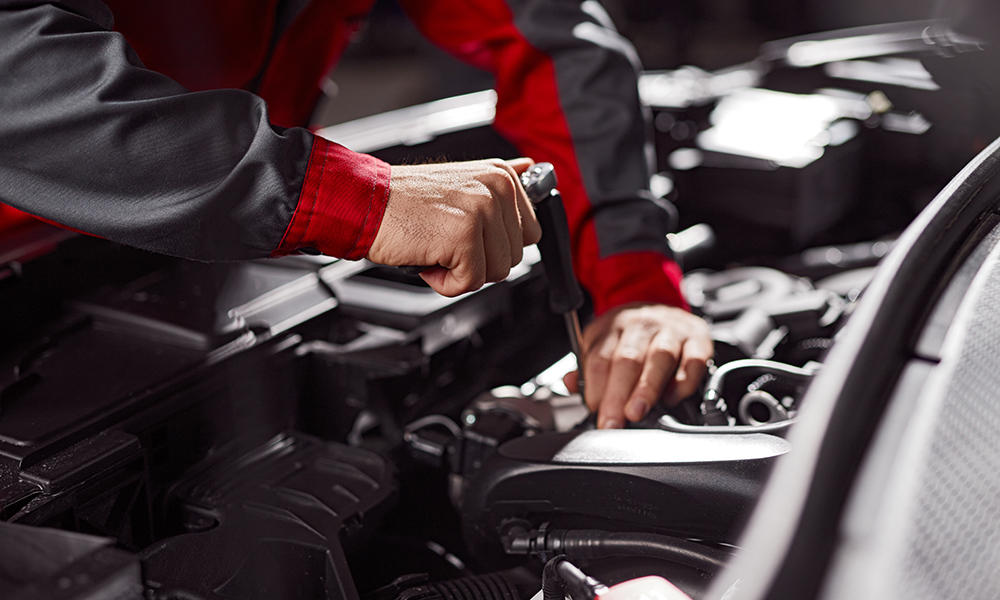
Owning a car brings freedom and convenience, but it also comes with the responsibility of regular maintenance and occasional repairs. Knowing about common car repairs can save time, money, and help you avoid unexpected breakdowns. Here’s a list of 10 essential car repairs every driver should be familiar with to keep their vehicle running smoothly.
Oil Changes
Regular oil changes are critical for engine health. Engine oil lubricates internal components, reduces friction, and helps regulate temperature. Over time, oil becomes dirty and less effective, increasing engine wear. It’s recommended to change your oil every 5,000 to 7,500 miles, depending on your car model and the type of oil used.
Tire Replacement and Rotation
Tires naturally wear down over time, especially the front ones since they handle more steering and braking. Tire rotation (every 6,000 to 8,000 miles) extends tire life by distributing wear evenly, while tire replacement is necessary when tread depth falls below 2/32 of an inch. Keeping tires in good shape ensures optimal traction, handling, and fuel efficiency.
Battery Replacement
Car batteries typically last around 3 to 5 years, depending on driving conditions and climate. Signs of a failing battery include dim headlights, slow engine cranking, and dashboard warning lights. Regularly checking battery terminals and cleaning any corrosion can help, but once it’s weak, it’s time for a battery replacement.
Brake Pad Replacement
Brake pads are essential for safe driving, providing the friction necessary to stop your vehicle. As they wear down, braking performance decreases, and you may hear squeaking or grinding sounds. Brake pads usually last between 25,000 and 70,000 miles, depending on driving habits. Replacing them promptly prevents rotor damage and ensures safe braking.
Air Filter Replacement
The engine air filter prevents dirt, dust, and debris from entering the engine, ensuring efficient combustion. A dirty air filter reduces fuel efficiency, weakens acceleration, and increases emissions. Most manufacturers recommend replacing the air filter every 15,000 to 30,000 miles, but it can vary depending on driving conditions.
Spark Plug Replacement
Spark plugs ignite the fuel-air mixture in your engine, making them essential for smooth operation. Over time, spark plugs can wear out, causing poor fuel economy, rough idling, and engine misfires. Spark plugs usually last 30,000 to 100,000 miles, depending on the type. Regular replacement ensures optimal engine performance and fuel efficiency.
Coolant Flush and Refill
Engine coolant, or antifreeze, helps regulate the engine temperature, preventing overheating in summer and freezing in winter. Coolant can degrade over time, reducing its effectiveness. A coolant flush every 30,000 miles or as recommended helps maintain proper engine temperature, prevents rust, and extends radiator life.
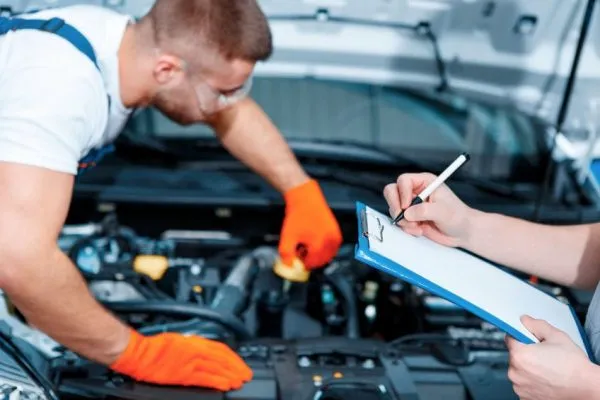
Transmission Fluid Change
Transmission fluid lubricates the gears in your transmission, allowing them to shift smoothly. Dirty or low transmission fluid can lead to shifting issues, overheating, and eventually transmission failure. For most cars, a transmission fluid change is recommended every 30,000 to 60,000 miles. Regular fluid changes ensure smooth operation and prolong the life of the transmission.
Belt and Hose Replacement
Your car’s belts and hoses play crucial roles in powering and cooling the engine. The serpentine belt drives various components, such as the alternator and power steering pump, while hoses transport coolant and fuel. Over time, belts and hoses can crack or leak, leading to engine overheating or system failure. Regularly inspecting and replacing worn belts and hoses can prevent unexpected breakdowns.
Headlight and Taillight Bulb Replacement
Headlights and taillights are essential for visibility and safety, especially at night and in low-visibility conditions. Bulbs can burn out over time, reducing visibility and putting you at risk for accidents or fines. Regularly check all lights and replace bulbs as soon as they dim or burn out to ensure safe driving.
Preventive Maintenance: The Key to Avoiding Major Repairs
While these common car repairs are essential for maintaining your vehicle, preventive maintenance plays a significant role in avoiding larger issues. Regular inspections, fluid checks, and routine maintenance go a long way in keeping your car in top shape and preventing costly repairs down the line.
Conclusion
Understanding these 10 common car repairs helps every driver stay informed and prepared. By knowing when and how to address basic issues like oil changes, brake pad replacements, and battery upkeep, you can extend the life of your vehicle and ensure safe, reliable performance. Regular maintenance may seem tedious, but it’s essential for preventing breakdowns and costly repairs, keeping you on the road with peace of mind.
