


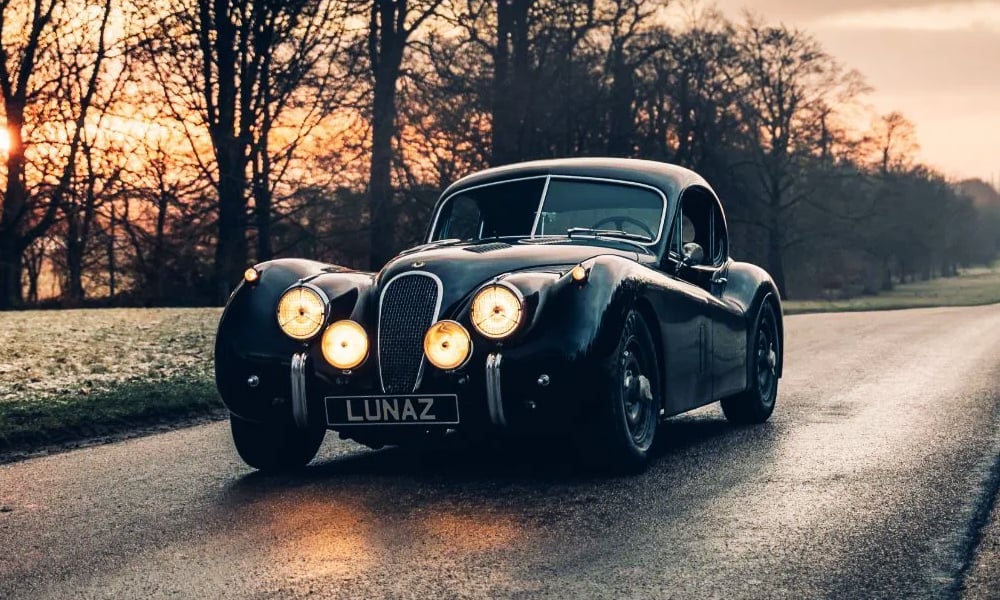
The world of automotive design has long been influenced by iconic styles of the past, and today’s manufacturers are embracing the trend of “retro revival.” Classic car designs are making a comeback in modern vehicles, blending vintage aesthetics with cutting-edge technology to capture the best of both worlds. For car enthusiasts and casual drivers alike, the resurgence of classic car designs in modern vehicles offers a nostalgic nod to the past with the practicality of contemporary engineering. This article explores how retro designs are being reimagined in today’s auto industry, highlighting some popular models and what makes this trend so appealing.
The Appeal of Retro Revival in Automotive Design
Modern car buyers are drawn to the combination of nostalgia and modernity that retro-inspired cars provide. For many, these designs evoke memories of classic cars while incorporating the reliability, safety, and efficiency of modern technology. With the push toward electric and eco-friendly vehicles, retro revival has also offered a unique opportunity to reintroduce iconic designs with sustainable powertrains, giving vintage car enthusiasts a sustainable way to enjoy these timeless styles.
The “retro revival” trend taps into a growing demand for vehicles with character, offering a unique alternative to the uniformity often seen in modern car designs. By drawing from the past, manufacturers can connect with a broader audience, appealing to older generations with nostalgic memories as well as younger buyers intrigued by the character of classic cars.
Iconic Retro Designs in Modern Cars
Several automotive brands have successfully reintroduced classic designs into their modern lineups. Here are a few standout models that embody the retro revival trend:
Ford Mustang Mach-E
While the Ford Mustang Mach-E is an electric SUV, its design incorporates key elements from the classic Mustang. With a muscular body and a sleek, fastback-inspired roofline, the Mach-E pays homage to the Mustang’s legacy while embracing the future of electric mobility. The signature Mustang grille, sloping hood, and iconic tri-bar taillights ensure that the Mach-E maintains the Mustang spirit, all while offering eco-friendly efficiency and advanced tech features.
Mini Cooper
The Mini Cooper is perhaps one of the best examples of retro revival, as its entire design ethos is rooted in the classic Mini from the 1960s. The modern Mini Cooper maintains the compact shape, round headlights, and charming details that made the original a global icon. Though modern Minis are equipped with high-tech interiors and more powerful engines, the exterior design retains the distinctive look and feel of the original, making it a favorite among retro enthusiasts.
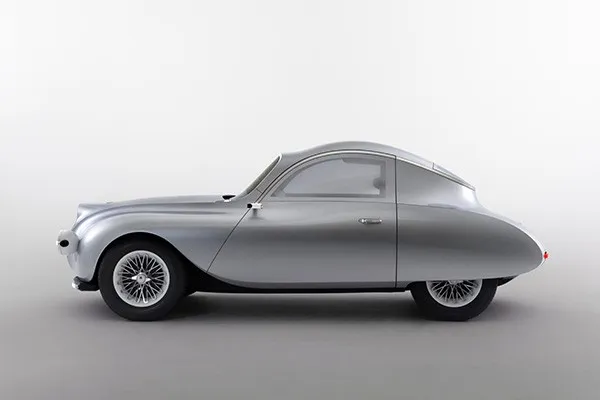
Fiat 500
The Fiat 500 is another example of a retro-inspired car that has gained widespread popularity. With its rounded shape, circular headlights, and compact size, the modern Fiat 500 channels the spirit of the original model from the 1950s. This updated version includes fuel-efficient engines and advanced safety features, combining Italian style with contemporary functionality. The Fiat 500 offers both gasoline and electric versions, catering to drivers who appreciate classic design and eco-friendly options.
Chevrolet Camaro
The Chevrolet Camaro is a classic American muscle car that continues to honor its heritage in its modern form. With an aggressive stance, bold grille, and sculpted lines, the Camaro retains the essence of its 1960s predecessor. Chevrolet has kept the car’s signature performance-focused design, with powerful engine options and an advanced infotainment system. The Camaro is a prime example of how retro design can coexist with modern performance and technology, satisfying both classic car fans and performance enthusiasts.
The Role of Technology in Modern Retro Cars
The resurgence of classic car designs has been further supported by modern advancements in technology. Today’s retro-inspired vehicles offer features that the original models could never have dreamed of, including advanced infotainment systems, driver-assistance technology, and enhanced safety features.
For instance, adaptive cruise control, lane-keeping assistance, and collision avoidance systems are now standard in many retro-inspired vehicles, providing a level of security and convenience unheard of in the original models. Electric drivetrains are also increasingly common in these designs, offering the fuel efficiency and sustainability that aligns with today’s environmental standards.
Why Retro Revival Appeals to Modern Consumers
The retro revival trend resonates with drivers for several reasons. First, these cars provide a sense of individuality in a market dominated by similar-looking models. The distinct design of retro-inspired vehicles makes them stand out, attracting attention and providing a talking point for their owners. For younger consumers, these cars offer a sense of nostalgia for a time they may not have experienced directly but appreciate through the lens of modern culture.
Moreover, the blend of classic aesthetics with modern convenience satisfies the need for style without compromising comfort and functionality. By combining the best of both worlds, retro revival vehicles create a bridge between past and present, allowing drivers to enjoy the iconic design elements while benefiting from improved fuel efficiency, safety, and convenience.
Conclusion: The Future of Retro Revival
As automakers continue to embrace retro revival, it’s clear that the appeal of classic car designs is here to stay. These vehicles provide a unique experience, blending nostalgia with innovation in a way that appeals to multiple generations of drivers. With the shift towards electric and autonomous vehicles, retro-inspired models allow automakers to pay homage to their history while looking ahead to the future of transportation. As technology continues to evolve, we can expect to see even more innovative takes on retro designs, ensuring that these timeless styles remain relevant and cherished in the modern age.
