


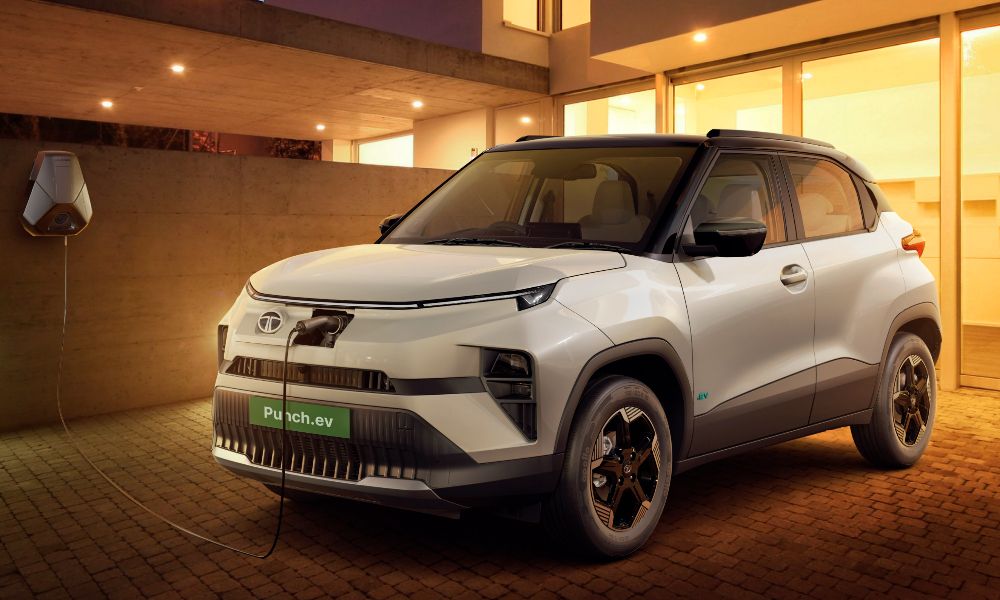
The automotive world is rapidly shifting, with electric vehicles (EVs) becoming increasingly popular as a sustainable alternative to internal combustion engine (ICE) vehicles. While many drivers consider miles per gallon (MPG) and upfront costs, understanding the true cost of ownership for EVs compared to ICE vehicles requires a deeper look into factors like maintenance, fuel, depreciation, and incentives. This guide explores the various costs beyond MPG that impact the long-term financial implications of choosing an EV over a traditional gasoline-powered car.
Upfront Purchase Price and Incentives
EVs generally come with a higher upfront price than comparable ICE vehicles due to the cost of advanced battery technology. However, federal and state incentives, tax credits, and rebates can significantly reduce the purchase price of EVs, sometimes making them more affordable than ICE counterparts.
Federal and State Incentives
In the U.S., a federal tax credit of up to $7,500 is available for new EV purchases, depending on the model and manufacturer. Some states, such as California and Colorado, offer additional rebates, making EVs more financially accessible. In comparison, ICE vehicles rarely receive such incentives, though some hybrids may qualify for partial credits.
Considering these incentives is essential when calculating the actual upfront cost difference between EVs and ICE vehicles.
Fuel Costs: Electricity vs. Gasoline
One of the most significant savings with EVs comes from fuel costs. Charging an EV typically costs less than fueling an ICE vehicle, especially when charging at home during off-peak hours.
Charging Costs for EVs
Charging an EV at home can range from $0.10 to $0.20 per kWh, depending on electricity rates. For example, if an EV has a 60 kWh battery and an estimated range of 250 miles, charging from empty to full would cost approximately $6-$12. Public charging stations may cost more, especially fast-charging stations, but the cost is still generally lower than gasoline.
Gasoline Costs for ICE Vehicles
Gas prices fluctuate and can be significantly higher than electricity, especially in regions with higher fuel taxes. A vehicle with a 25 MPG rating that drives 12,000 miles per year would require about 480 gallons of gas, costing between $1,500 and $2,000 annually, depending on regional gas prices. Over time, the lower cost of electricity can lead to substantial savings for EV owners.
Maintenance and Repairs
EVs have fewer moving parts than ICE vehicles, meaning less routine maintenance and fewer chances for part failures. Here’s how maintenance costs differ between EVs and ICE vehicles.
EV Maintenance Costs
Without an engine, EVs don’t require oil changes, spark plugs, fuel filters, or timing belts. Instead, EV maintenance primarily involves tires, brakes, and the occasional battery coolant. Regenerative braking systems in EVs reduce brake wear, extending the time between replacements. Over a typical ownership period, EV maintenance costs are often lower than ICE vehicles.
ICE Vehicle Maintenance Costs
ICE vehicles require regular oil changes, transmission services, exhaust system repairs, and engine component replacements, which can add up over time. According to industry estimates, ICE vehicle owners may spend around $1,500 annually on maintenance and repairs. In contrast, EV maintenance costs can be as low as half that amount, depending on the model and usage.
Depreciation: How EVs and ICE Vehicles Hold Value
Depreciation can be a considerable cost of ownership, and EVs have historically depreciated faster than ICE vehicles. However, as EV technology advances and more buyers recognize their benefits, depreciation rates for EVs are becoming more comparable to ICE vehicles.
EV Depreciation
Battery technology and range limitations were primary factors in the faster depreciation of early EVs. However, newer models with extended range, improved battery longevity, and lower maintenance needs are helping EVs retain their value better. The resale market is also beginning to shift as more buyers seek affordable used EVs.
ICE Vehicle Depreciation
ICE vehicles typically have more predictable depreciation rates. Luxury and high-performance models may depreciate faster, while fuel-efficient and reliable models tend to hold value better. However, as more regions implement emissions regulations and transition to cleaner transportation, ICE vehicles could face greater depreciation in the future.
Environmental Impact and Social Cost
Though not a direct financial factor, the environmental impact of EVs versus ICE vehicles is increasingly important to consumers. EVs produce zero tailpipe emissions, helping reduce air pollution and greenhouse gases. Additionally, electricity sources are becoming cleaner, further enhancing the eco-friendly profile of EVs.
While EV batteries do have an environmental impact due to mining and manufacturing, the reduction in emissions during the car’s operational life can offset these factors over time, particularly as battery recycling technology improves.
Charging Infrastructure and Convenience
While the cost of installing a home charging station may be an initial expense for EV owners, the convenience of home charging can reduce fuel costs and time spent at gas stations. Public charging networks continue to expand, and fast-charging technology allows EV owners to recharge quickly on long trips.
ICE vehicles, on the other hand, rely on gas stations, which are more widely available. However, as EV infrastructure grows, the convenience factor may tip in favor of EVs, especially for urban drivers with reliable access to charging stations.
Conclusion: Weighing the True Cost of Ownership for EVs and ICE Vehicles
When evaluating the true cost of ownership, EVs offer significant savings in fuel and maintenance costs, alongside environmental benefits. ICE vehicles may still be preferred by those with higher daily mileage needs or in areas with limited charging infrastructure, but as EV technology and infrastructure continue to advance, the cost-effectiveness and convenience of EVs are becoming hard to ignore. By considering purchase incentives, maintenance savings, and environmental factors, drivers can make an informed decision that aligns with both their budget and sustainability goals.
